One night of optional masks. The sky is falling.
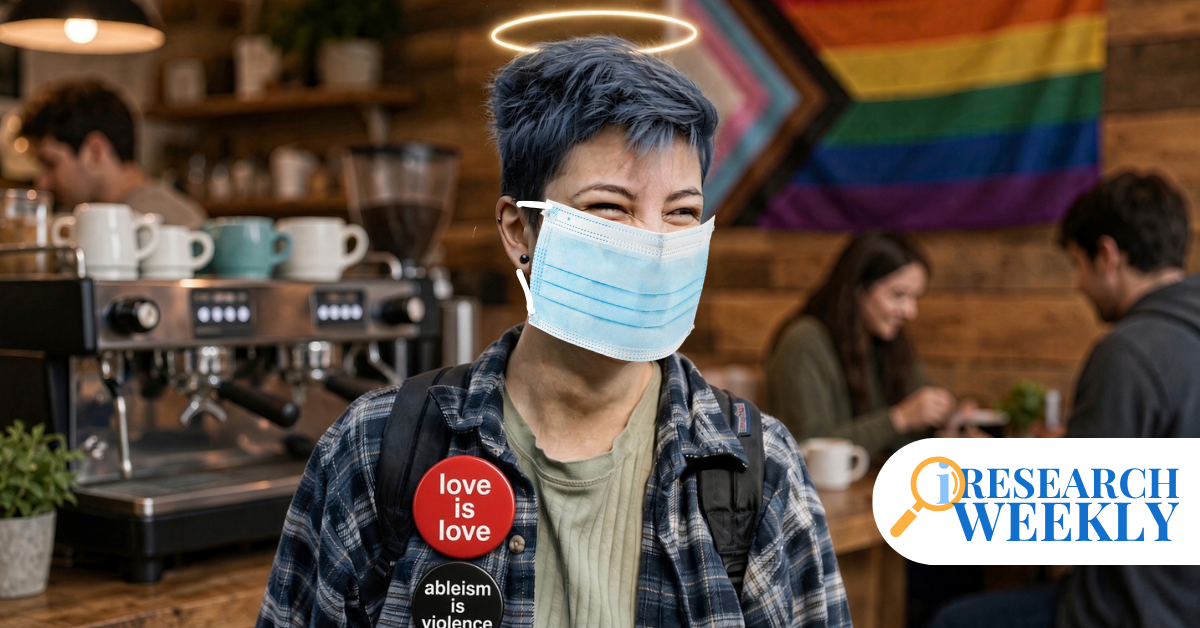
In 2026, a lesbian bar in Greenfield, Massachusetts, still required KN-95 masks. Then it made mask-wearing on Saturday nights optional. The reaction was not debate. It was manic outrage.
Last Ditch opened in 2025 as a last-ditch LGBTQ space. Poor patrons were welcome. “Ableism” was banned. Masks stayed on even after local COVID cases vanished for months. Business slumped. The remaining owner was living in a car and working multiple jobs to service a $50,000 loan. Two co-founders had already left—one for clown school. So, the bar tried one unmasked night a week to stay open.
The language of 2020 never left the room
Critics called it a “mass disabling event.” They called the owners eugenicists. One commenter hoped the venue would be firebombed. An apology failed because the graphic lacked alt text. At a three-and-a-half-hour community meeting, a white therapist was denounced as unsafe. The owner of Last Ditch wept about the loan and her living situation. Those tears were labeled racist.
The mask became a tribal badge
The mask is the tell. Early in COVID, many people wore one as a simple protectant. That did not last. Noncompliance was quickly recoded as “anti-science” and MAGA. The covering became a tribal badge. Years later, in far-left rooms, it still is. Young activists show up masked at DSA meetings and other progressive gatherings long after the public-health cases collapsed. A July 2026 Denver DSA photo celebrating a primary win showed mask-wearers outnumbering the unmasked. The 2025 DSA national convention still pushed masks, distancing, and a booster within the prior year. The cloth is no longer mainly about a virus. It signals adherence to a creed.

Last Ditch was enforcing that same signal. For merely one optional Saturday they dared to break the ritual. The explosion that followed was not about transmission data in a town with no recent cases. It was about who still belongs to the tribe.
The monster we survived still has a pulse
This is a reminder of the years we just lived through. Officials closed schools, churches, and small businesses. They treated dissent as violent fundamentalism. They recast ordinary life without a mask as a moral crime. The language has not changed, and the movement behind it won primaries.
The same habits appear whenever this faction holds power. Everyone must appease the most fringe demands. Identity trumps evidence. Tears from the wrong person become oppression. Institutions that try to serve everyone get punished for serving anyone. A bar that still masks six nights a week is not enough. Nothing is ever enough.
Disobedience is violence
Recent statements from the left keep the delusion alive. The Western Massachusetts Club of the Communist Party USA condemned the Boston Globe for covering the story, framing the reporting as a psyop against progressives and “the genocide of transgender people.” Remember when these people were running corporations, the media, the government?
Why this midterm is not funny
Voters heading into the midterms should treat this as a preview, not just another “libs of TikTok” spectacle. The people who still talk this way in 2026 do not stay confined to niche bars in Massechussets. They staff agencies, school boards, public-health offices, and campaign teams. They write rules. They decide which businesses get boycotted, which speakers get shouted down, and which facts count as “harm.”
A healthy politics accepts trade-offs. It lets adults weigh risk. It does not treat a Saturday without an N95 as eugenics. It does not treat a mask as a sacrament. Last Ditch is a tiny bar in western Massachusetts. The mindset that nearly closed it is not tiny. Midterms are one of the few remaining ways to keep that mindset from again running the rest of the country.