CNN, MS NOW and Politico sue after being banned from White House, claiming a direct assault on the First Amendment rights, but does their coverage justify the ban?
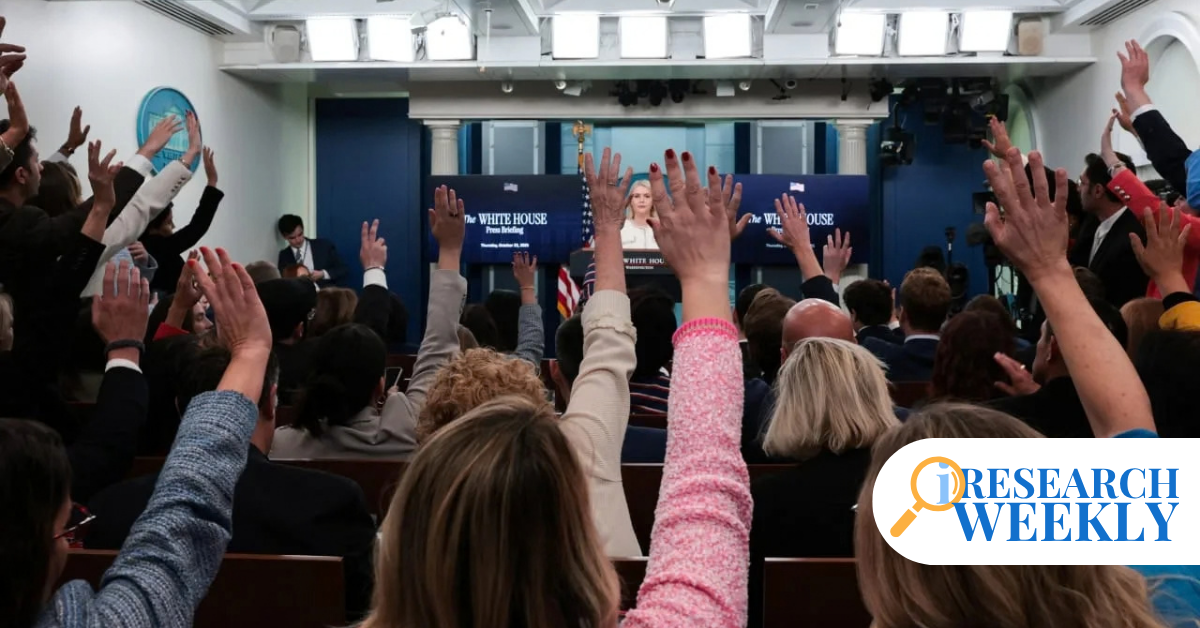
As previously reported, President Donald Trump banned CNN, MS NOW, and Politico from White House grounds on Friday. He said their coverage was fake news. On Saturday, reporters Betsy Klein, Akayla Gardner, and Cheyenne Haslett were turned away. Secret Service officers also took their hard passes. On Monday the three outlets sued. They called the lockout a “direct assault on the First Amendment.” That same day, ABC, CBS, NBC, Fox News, and CNN suspended pooled TV coverage of presidential events. In protest they refused to replace CNN on the rotation.
That is the sequence. Much of the legacy press treated the ban as an attack on journalism itself. Far less attention went to the record that led to it. Even less went to the stories these outlets never really took back.
The Record They Moved On From
CNN spent years saying Trump called neo-Nazis “very fine people” in Charlottesville. The actual context drew a line between statue protesters and actual racists. Mainstream media outlets like CNN ubiquitously repeated the line anyway. It also ran the Kenosha chyron “FIERY BUT MOSTLY PEACEFUL PROTESTS” in front of a burning building. Russia-collusion coverage treated “walls closing in on Trump” as nearly certain. Then the Mueller report found no conspiracy. The Hunter Biden laptop was framed as likely Russian disinformation long after it was shown to be real. The Nick Sandmann coverage led to a settlement. It did not lead to an on-air reckoning by CNN.
MS NOW inherited MSNBC’s habits. Hosts pushed the claim that Capitol officer Brian Sicknick was beaten to death with a fire extinguisher after January 6. The medical examiner later found he died of natural causes. Rachel Maddow’s Russia hours and several failed fact-checks stayed in the archive. Upon these stories the narrative spoke of Trump as an existential threat.
Politico’s lean is quieter. It still shows up. “Don’t Say Gay” became the misleading but default label for Florida’s parental-rights bill. “Insurrection” became the settled word for January 6 — an event to which protestors brought children but no guns. Early Hunter laptop coverage treated the New York Post story as tainted. The President later used government agency subscription spending as a talking point. The outlet’s own framing of that spending drew less scrutiny than the ban that followed.
None of these examples needed a secret memo. They ran on air and in print, forming the opinions and beliefs of half the country for over ten years. Corrections, when they came, were often narrow or late. The industry simply moved on.

Solidarity as Policy
The pool boycott is the new fact. Five networks said they would not cover designated presidential pool events because CNN was blocked from its assigned slot. Print, radio, and still photographers remain. The White House can still stream its own feed. The networks’ message is simple: no administration should restrict an outlet over its reporting.
That principle is easy to chant. It is harder to apply evenly. The same outlets spent a decade treating one president’s every remark as presumptively illegitimate. They treated another’s cognitive decline as a rumor not to amplify. Viewpoint discrimination cuts both ways. Judges have restored access before when credentials were pulled without process. Jim Acosta’s case in the first Trump term is the closest parallel. The open question is narrower. Can a president keep organizations he calls serial fabricators off the physical grounds? That is different from the briefing room or Air Force One. A D.C. judge will now hear the case.
The lawsuit asks the court to treat White House grounds as a forum the government has no right to police, based on content. The administration will argue it does not have to credential outlets it believes distort the record on purpose. Both sides will cite the First Amendment. One side has spent years notoriously treating corrections as optional.
Does a pattern of unretracted error forfeit automatic access? Or does the Constitution require the government to keep the doors open anyway? Readers can decide which understanding better matches the last ten years of coverage. They can also decide whether this lawsuit defends a principle — or a franchise that no longer trusts the public to notice the difference.
What say you? We would love to hear your thoughts in the comments below.