There is something deeply wrong when a mother and father can love their child, raise their child, care for their child, and still be told that they no longer have a say in what happens to that child.
That is what immediately stood out to me when I came across the case of Joseph and Arlene Kutzko.
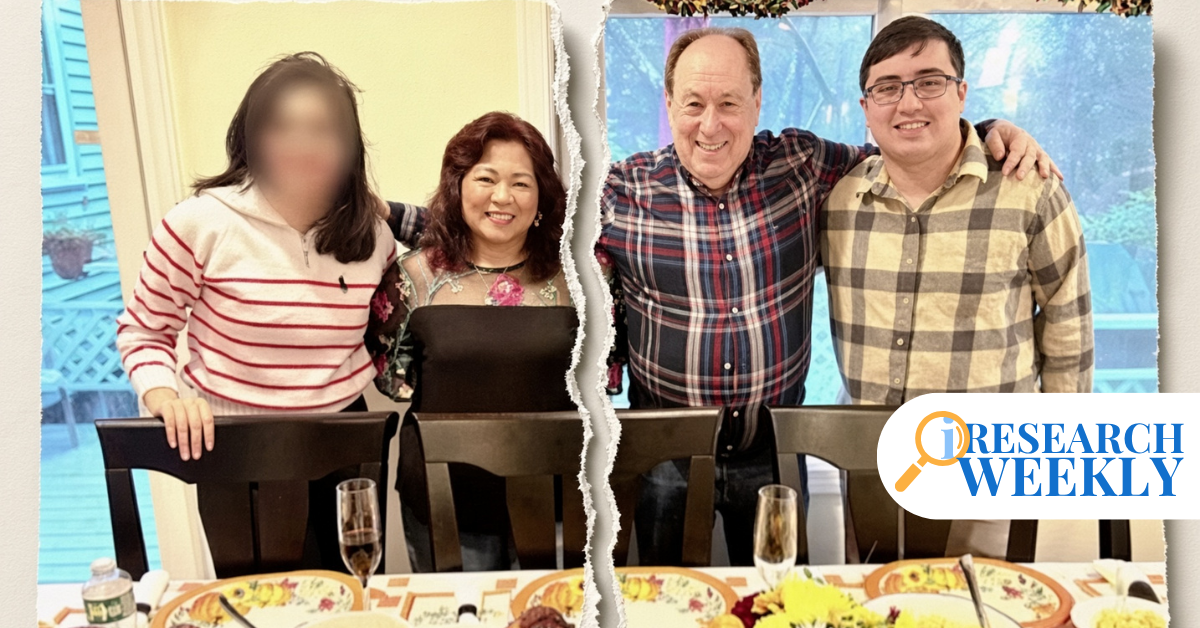
Joseph and Arlene Kutzko are Catholic parents from the Southborough area of Massachusetts. In interviews this month they said their daughter, whom they call Sophie, was 15 when the state’s Department of Children and Families removed her from the family home in December 2024. She is now 17 and remains in state custody. The parents say staff at Algonquin Regional High School began using a male name and male pronouns for their daughter without telling them, and that a school counsellor later reported the family to child-welfare officials after they refused, on religious grounds, to treat her as a boy.
The family, speaking with attorney Vernadette Broyles of the Child & Parental Rights Campaign, has also said contact with their daughter has been cut by a restraining order, and that they are now fighting a state request to administer high-dose testosterone. Reporting this week said a judge has temporarily blocked that treatment, with a further hearing listed for late October. Those details come from the parents and their lawyer. Governor Maura Healey, a staunch progressive, has publicly denied the family’s account of why the girl was removed, saying the department acted after criminal charges were filed against the parents, and not because of gender-affirming care. Broyles has called that description misleading and said there has been no finding that the parents were ever abusive.
I am not in that courtroom. I cannot pretend the sealed file is simple. What I can say is this: the public fight is no longer only about one family in Massachusetts. It is about parents, a child, the power of the state, and what happens when the convictions of a mother and father collide with policies that have moved quickly through schools, agencies and courts.
This is not just another round in the cultural argument over gender identity. When the Kutzkos objected, they were not only disagreeing with a teacher or a counsellor. Their disagreement became a child-welfare matter, and their daughter left the home. Think about that for a moment.

Whatever your personal views on gender identity, how did we reach a point where parents can find themselves fighting the government simply to have a say in the upbringing of their own child? How did we reach a point where convictions that track biological sex — and, for this family, Catholic teaching — can be treated as if they were a form of harm, giving the state a license to stand between a child and her parents?
I do not have a neat legal answer. I pose the question because the reasonable response, at least for me, is alarm.
The Kutzkos’ case is still being fought in court, and there are competing accounts of what happened. The broader issue cannot be brushed aside as another left-versus-right shouting match.
Over the past decade, the politics of gender identity has changed quickly — not only in the United States, but across much of the West. Ideas that once sat at the edge of public debate moved into school guidance, clinical practice, government policy and the courts. Similar fights have played out in Europe, including disputes involving parents in countries such as Switzerland and Germany. Schools in some American districts have been told they may socially transition a student — a new name, new pronouns — before parents are informed. That is the problem the Kutzkos say they were forced to deal with.
For me, this is ultimately about something larger than party politics.
It is about whether parents should still be allowed to say: I am the parent. I love my child. I believe something different. And I have the right to be heard.
That should not be a radical position.
And if we have reached a point where recognizing biological reality, or holding a traditional religious belief, can put a family’s relationship with their own child at risk, then we need to stop, take a breath, and ask ourselves where this road is taking us. It’s not too late to change course.